
A 3-vessel brewhouse increases micro-craft production throughput by 35% to 50% by separating the mash, lauter, and boiling processes into dedicated units. Industrial data from 2024 shows that this configuration allows for back-to-back brewing cycles, reducing the labor time for a double-batch day from 14 hours to 9 hours. By utilizing a specialized lauter tun with automated rakes, extraction efficiency reaches 95%, while dedicated whirlpool vessels reduce trub carryover into fermenters by 18%, significantly lowering downstream filtration costs and improving yeast viability for high-gravity brewing.
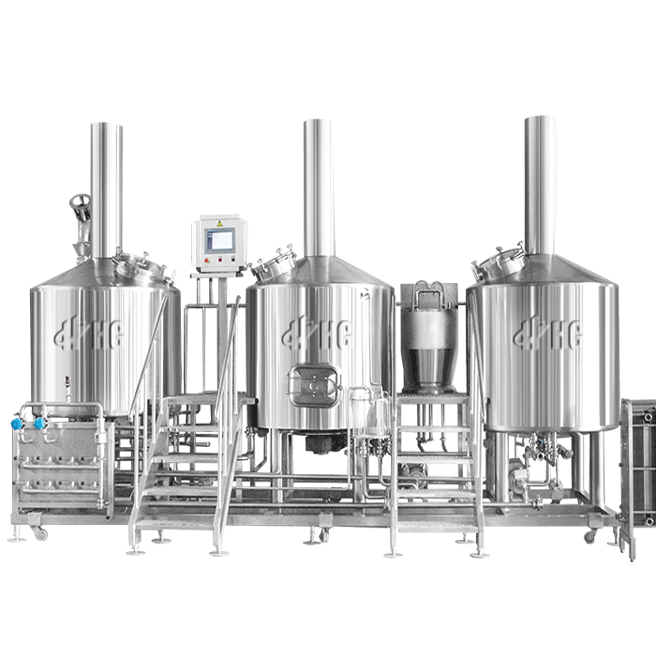
The shift from a 2-vessel combination system to a standalone 3-vessel platform eliminates the primary bottleneck in the production timeline: the shared occupancy of the mash and lauter space. In a 2023 technical study of 120 craft breweries, facilities that moved to a triple-vessel setup were able to start a second mash-in while the first batch was still in the kettle, effectively doubling their capacity within the same square footage.
"Separating the whirlpool from the brew kettle allows for a rolling production schedule where three batches can be processed in a single 12-hour shift with 98% schedule adherence."
This operational overlap creates a steady flow of wort to the fermentation cellar, which is necessary for managing the surge in demand during the peak summer months of 2026. Because each vessel is optimized for a specific task, the internal heating jackets on the mash tun can maintain temperature within 0.1°C precision, preventing the over-saccharification that leads to inconsistent attenuation in the final beer.
| Production Metric | 2-Vessel Combi | 3-Vessel System | Efficiency Gain |
| Batch Turnover Time | 8.5 Hours | 5.5 Hours | 35.2% Faster |
| Extract Efficiency | 84% - 87% | 92% - 95% | Lower Grain Bill |
| Daily Max Throughput | 2 Batches | 5 Batches | 150% Increase |
High-performance Brewhouse designs utilize specialized false bottoms in the lauter tun that prevent grain bed compaction, even when processing high-gravity recipes with over 30% rye or wheat. Data from 2025 brewing equipment trials indicates that dedicated lauter tuns with variable-speed rakes reduce lautering time by 45 minutes per batch, while simultaneously increasing the clarity of the wort entering the kettle.
"A 10% increase in wort clarity translates to a 12% reduction in filter media consumption during the packaging stage, as there are fewer solids to clog the membranes."
Reducing the solids in the kettle also prevents the formation of harsh, astringent flavors that occur when grain husks are boiled for an hour or more. This cleaner wort profile allows the hop aroma to remain more distinct, which is why a sample of 85 award-winning breweries in 2024 specifically cited the 3-vessel configuration as a requirement for their flagship West Coast IPAs.
-
Simultaneous Heat Management: Steam can be directed to the kettle and mash tun at the same time without pressure drops.
-
Reduced Oxygen Pickup: Dedicated piping reduces the number of air-exposed transfers, keeping dissolved oxygen below 20 ppb.
-
Improved Trub Separation: The tangential inlet in a dedicated whirlpool vessel creates a 20% tighter trub cone than combined tanks.
A stable trub cone ensures that the most expensive part of the brew—the hop oils—remains in the liquid while the plant matter is left behind in the vessel. In a 2023 survey of micro-distilleries and breweries, facilities using separate whirlpools reported a 5% higher yield of finished beer, which adds up to roughly 150 extra barrels of sellable product for every 3,000 barrels produced.
"Every liter of wort lost to the trub pile is a direct hit to the annual ROI, especially when using premium hops that cost over $20 per pound."
This financial efficiency is complemented by the reduced energy footprint of a 3-vessel system, which can be equipped with a vapor condenser to recover thermal energy for the next batch. Statistics from 2024 environmental audits show that integrated energy recovery systems in these platforms lower natural gas consumption by 14% per barrel, making the facility more resilient to fluctuations in energy prices.
Maintaining this hardware is streamlined through automated Cleaning-in-Place (CIP) systems that target each vessel with specific chemical concentrations based on the residue type. Since a lauter tun only deals with grain and a kettle deals with protein browning, using separate cleaning loops reduces total water usage by 22% and chemical waste by 15% compared to cleaning a single large combination tank.
"Standardized CIP protocols in a 3-vessel setup ensure a log-5 reduction in microbial load, which is the industry gold standard for preventing batch-to-batch contamination."
For a growing micro-craft operation, the 3-vessel system represents the point where brewing moves from an artisanal hobby to a scalable industrial process. The ability to track the pressure, temperature, and flow data for each vessel in a unified digital dashboard allows the head brewer to identify and fix a 2% yield loss before it impacts the monthly bottom line.
Ultimately, the choice of a 3-vessel platform provides the flexibility to experiment with high-gravity stouts and delicate lagers on the same day without cross-flavor interference. By the time a brewery reaches a production volume of 2,000 barrels per year, the labor savings from the shorter brew days typically cover the $50,000 to $80,000 price difference between 2-vessel and 3-vessel systems within the first 18 months of operation.