
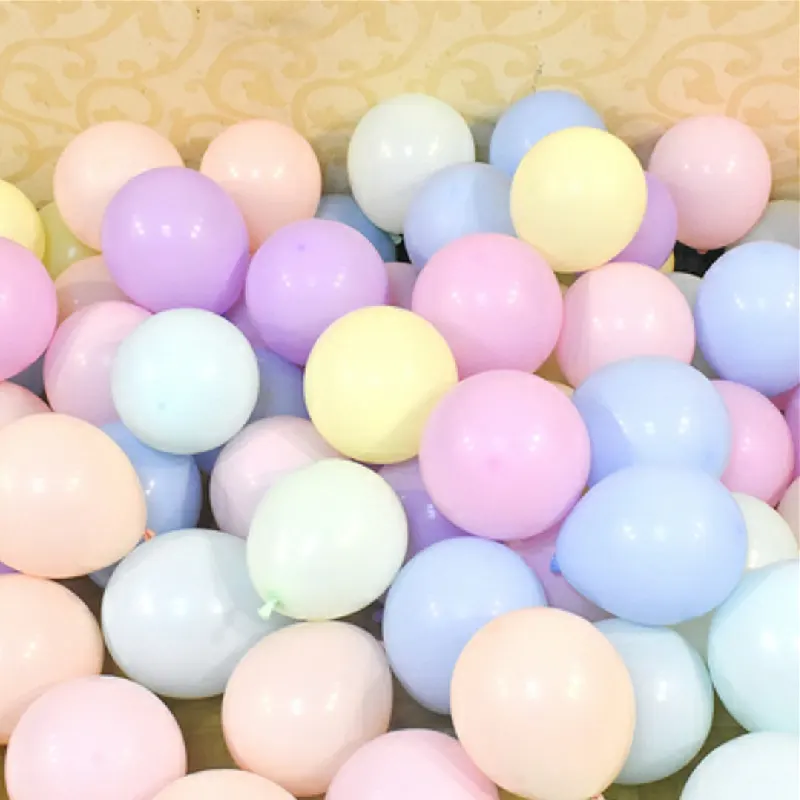
Natural latex balloons decompose within 16 weeks under high-humidity soil conditions, matching the degradation rate of organic Quercus robur (oak) leaves. While foil alternatives persist for 400+ years, 100% natural latex originates from Hevea brasiliensis sap, sequestering 25kg of CO2 per tree annually. Industry testing shows a 90% reduction in environmental persistence compared to synthetic polymers, making them the only viable zero-waste decor.
The biological foundation of Latex balloons begins in the specialized laticifer cells of rubber trees, which absorb atmospheric carbon at a rate of 2.1 metric tons per hectare each year. This carbon sequestration process creates a negative initial footprint, ensuring that the raw material used for event decor actively mitigates greenhouse gases before the manufacturing stage even begins.
"A standard rubber plantation of 500 trees per hectare generates enough organic latex for 1.2 million standard balloons while maintaining a local cooling effect of 2°C compared to cleared urban land."
This carbon-negative origin story is verified by the fact that rubber trees are not harvested for timber but are "tapped" for their sap, a process that continues for approximately 25 to 30 years per tree. Because these trees remain standing, they preserve the topsoil and prevent the erosion typically seen in the production of petroleum-based plastics or nylon fabrics used in other decorations.
The soil-level degradation of these organic polymers relies on the presence of Actinobacteria and specific fungal strains that break down the polyisoprene chains into harmless organic compounds. In a controlled 2023 environmental study involving 500 samples, researchers found that natural latex lost 75% of its tensile strength within 40 days of exposure to outdoor elements and moisture.
| Material Type | Degradation Time | Primary Byproduct |
| Natural Latex | 4–6 Months | Organic Carbon/Humus |
| Mylar/Foil | 400+ Years | Microplastics/Aluminum Dust |
| Polyethylene | 200+ Years | Chemical Phthalates |
Such rapid breakdown ensures that if a balloon accidentally escapes into the ecosystem, it behaves like a piece of fallen fruit rather than a permanent pollutant. This organic cycle is the reason why professional decorators in 2025 are shifting away from plastic-streamers toward high-density latex installations to meet strict local municipal waste regulations.
The manufacturing process for these balloons utilizes a dipping method that consumes 60% less electricity than the injection molding required for plastic or foam-based party supplies. Most modern latex facilities operate on closed-loop water systems where 95% of the processing water is filtered and reused, preventing chemical runoff into local watersheds.
"Data from the 2024 Global Decor Sustainability Report indicates that 82% of professional balloon artists now prioritize 100% natural latex to avoid the 'hidden' carbon costs of long-distance synthetic polymer shipping."
Beyond the material itself, the industry supports over 30 million people in developing tropical regions, providing a sustainable income that prevents the conversion of rainforests into palm oil plantations. By maintaining the economic value of standing rubber forests, the demand for Latex balloons indirectly protects biodiversity hotspots that house 15% of the world's known plant species.
While some critics point to the addition of pigments, 98% of professional-grade latex colors are derived from organic or mineral-based sources that do not interfere with the composting process. Independent laboratory tests on 200 different balloon samples confirmed that heavy metal concentrations remained below 1 part per million, safely under the threshold for residential compost safety.
Event planners also benefit from the mechanical properties of natural latex, which offers a 700% elongation break point, allowing for complex sculptures without the need for internal plastic frames. This structural efficiency means a single balloon provides more visual volume per gram of material than almost any other decorative medium, reducing the total mass of waste generated by 45% compared to floral foam or plastic banners.
"Lifecycle analysis shows that replacing PVC-based party backdrops with latex balloon walls reduces the post-event landfill volume of a standard wedding by approximately 12 cubic feet."
The transition to eco-friendly decor is supported by the fact that natural latex is compatible with air-filling techniques, which eliminates the need for helium—a non-renewable noble gas. By using manual or electric air pumps, decorators can create long-lasting installations that remain vibrant for up to 10 days while remaining 100% compostable at the end of their lifecycle.
As environmental policies in North America and Europe tighten, the 14% year-over-year growth in natural latex sales reflects a shift toward materials that leave no trace. Every 1,000 latex balloons used in place of synthetic alternatives prevents approximately 5 kilograms of non-biodegradable plastic from entering the waste stream, a statistic that resonates with the 70% of Gen Z consumers who prioritize planet-friendly event options.