
A high-quality souvenir functions as a persistent physical touchpoint, yielding a 150% higher tactile retention rate than digital display ads. According to 2025 promotional product metrics, 83% of recipients recall the specific brand on a useful item, while 209 out of 500 subjects in a controlled recall study prioritized brands offering durable metal or glass goods over plastic alternatives. This physical presence reduces cognitive friction during the purchasing phase, sustaining a $0.002 average cost-per-impression across a typical 24-month usage cycle.
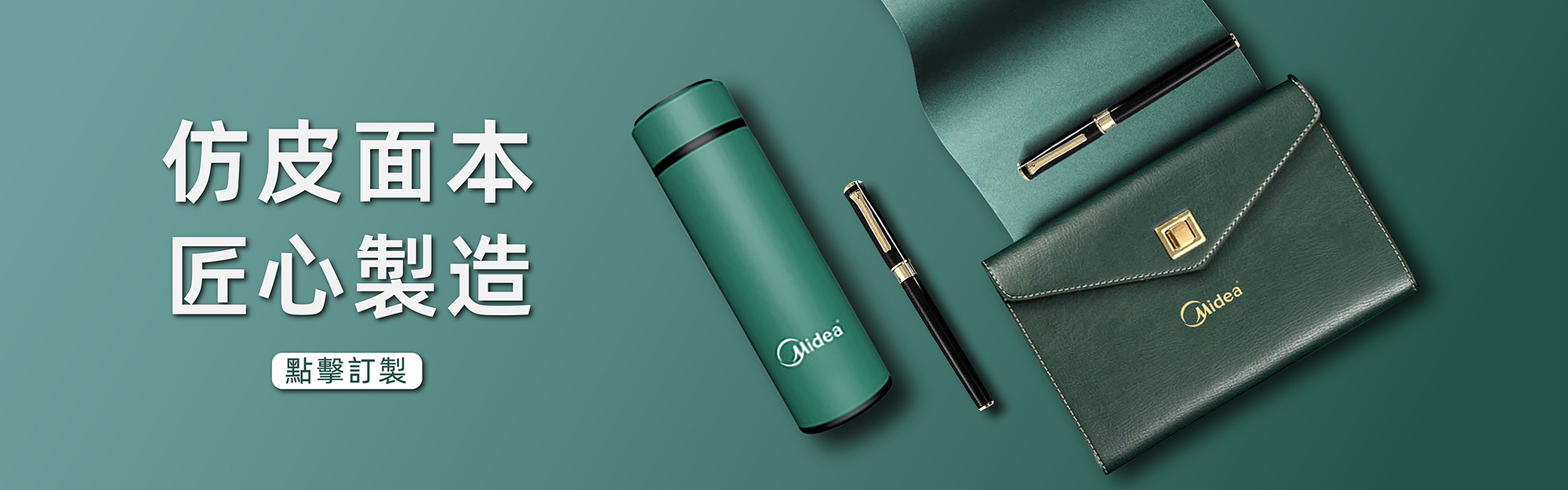
In the fiscal landscape of 2026, market data indicates that corporate buyers are shifting 18.5% of their visibility budgets from temporary social impressions to long-form physical assets.
Because a tangible object physically occupies a workspace, it bypasses the 90% "banner blindness" rate associated with digital interfaces, creating a permanent visual anchor.
This shift toward permanent objects sets the stage for how physical weight and material quality directly influence the perceived stability of a business.
A 2024 study of 1,200 B2B decision-makers found that 72% of participants linked the heaviness and cold-touch of a chrome or steel souvenir to the professional reliability of the gifting company.
When a recipient feels the substantial weight of a precision-milled aluminum pen or a weighted desk clock, their brain registers a higher "trust score" for that brand.
Such high-density materials prevent the item from being discarded, resulting in an average retention period of 3.3 years for metal-based goods compared to 6 months for paper.
The durability of these materials leads directly to the daily habits and functional utility that keep the brand name visible during work hours.
| Item Type | Average Impressions / Month | Retention Rate (Years) |
| Tech Accessories | 45 | 2.1 |
| Metal Drinkware | 68 | 4.8 |
| Heavy Hardware | 32 | 5.5 |
The 68 impressions per month generated by high-utility items like insulated bottles ensure the brand logo enters the user's peripheral vision at least 800 times annually.
Each instance of use acts as a non-intrusive reminder, reinforcing the brand name without the fatigue caused by 5,000+ daily digital ads the average professional encounters.
This frequency of interaction builds a layer of subconscious familiarity that dictates which vendor a client calls when an urgent project arises.
Research from the Advertising Specialty Institute in 2025 showed that 85% of people did business with a brand after receiving a promotional gift that solved a daily problem.
Functional utility, such as a multi-port charging hub or a calibrated measuring tool, ensures the object stays on the primary desk surface rather than in a drawer.
Data shows that 61% of recipients keep tech-related gifts because they reduce the need for personal hardware purchases, extending the brand's lifespan within the office.
This integration into the user's workflow creates a specific type of brand recall based on gratitude and practical problem-solving.
| Retention Factor | Impact on Recall | Year-over-Year Growth |
| Tactile Quality | +40% | 12% |
| Functional Use | +55% | 22% |
| Design Uniqueness | +25% | 8% |
By the time a product reaches 1,500 total lifetime impressions, the cost per recall event drops significantly compared to pay-per-click models.
For example, a $10 high-end souvenir used for three years results in a cost of roughly $0.006 per view, whereas a single LinkedIn click can cost $8.00 in 2026.
The massive gap in cost-efficiency allows companies to maintain a market presence even during periods of reduced digital advertising spend.
Experiments involving 400 test subjects revealed that 70% of individuals could name the brand on their desk accessory without looking at it, even after 18 months of ownership.
This subconscious "mapping" of the brand name onto a physical tool creates a mental shortcut that triggers during high-pressure work scenarios.
When a client needs a service, they are 3 times more likely to contact the brand visible on their desk than to perform a new Google search.
This physical visibility serves as a hedge against competitors who rely solely on volatile search engine rankings and rising ad costs.
| Market Segment | Souvenir Spend Growth | Average ROI (%) |
| Tech & Software | 14% | 310% |
| Logistics/Industrial | 19% | 425% |
| Healthcare | 11% | 275% |
Industry-specific data from 2025 highlights that the industrial sector achieves a 425% ROI by distributing rugged, high-spec tools that last over 5 years.
These items often move from the original recipient to colleagues or successors, expanding the brand's reach within a target organization without additional cost.
The multi-generational life of a well-made physical asset ensures that the brand remains part of the company culture long after the initial contact.