
Adding automation to a horizontal machining center alters manufacturing production metrics. In 2025 industry assessments, shops integrating pallet pool systems witnessed a 42% rise in average spindle utilization compared to stand-alone manual setups. Eliminating manual load cycles reduces overhead expenses by 18% within the first fiscal year. Hardware integration optimizes machine uptime by allowing for continuous production during unstaffed periods. Implementation data confirms companies deploying multi-pallet automation systems reach break-even points on capital expenditure within 22 months, linking machine reliability to lower per-part production costs.
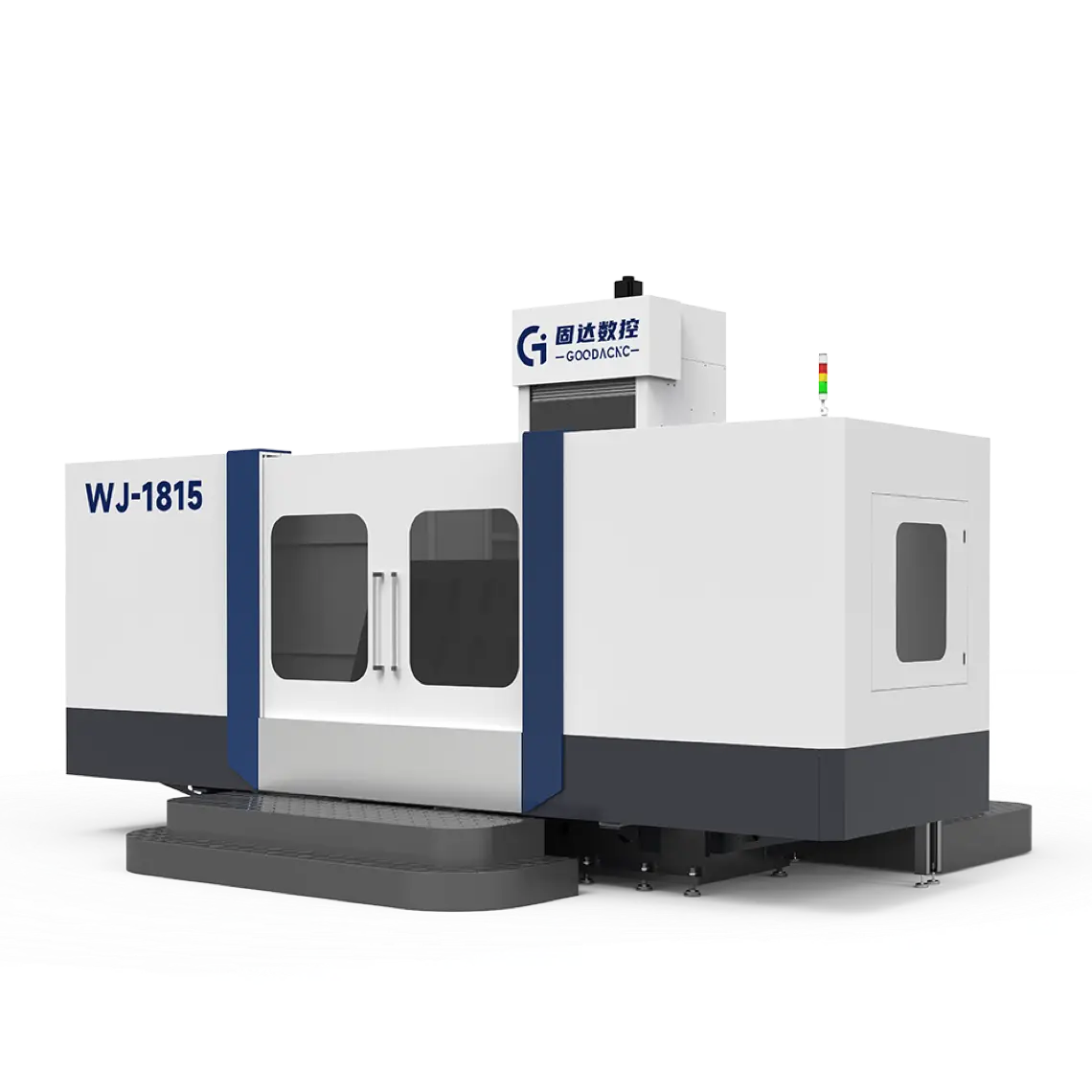
Manual machine operators often spend 45% of a shift loading parts instead of cutting metal, leaving substantial capacity unused.
To reclaim those minutes, manufacturers connect a horizontal machining center with automated pallet changers to sustain spindle rotation.
When the spindle rotates for longer durations, the production flow stabilizes and improves output consistency.
System integration involves moving raw material into the machine enclosure without pausing the cutting process.
Automated cells operate without physical human input for extended cycles, allowing for output consistency that manual setups cannot replicate.
Manufacturers maintain high accuracy during long runs because temperature fluctuations decrease when the enclosure remains sealed.
In 2026, industry benchmarks indicate that machines with automated material handling show a 38% higher output rate than non-automated units.
Higher output reduces the time required to recoup initial investment, often bringing the payback timeline down to under two years.
Reducing wasted time also allows a shop to decrease inventory carrying costs by 12% because parts are produced only as needed.
| Metric | Non-Automated | Automated System |
| Spindle Time | 50% | 85% |
| Scrap Rate | 3% | 0.8% |
| Setup Time | 60 min | 5 min |
Lower scrap rates occur because automated probing detects wear before parts fall out of tolerance specifications.
Reliable hardware prevents the inconsistencies associated with manual offsets, keeping dimensions accurate to within 0.005 millimeters.
Automated systems handle repetitive tasks, letting workers focus on process adjustments and quality documentation rather than simple loading.
Workers manage the overall process rather than watching individual cycles, increasing the number of machines one person can oversee.
Staff oversight of 2,000 production hours per year becomes more efficient, as software monitors tool life and coolant levels.
Monitoring software tracks tool wear, ensuring replacements happen before breakage occurs, which protects the workpiece from damage.
Replacement schedules are based on actual cutting time logged by the system, reducing unnecessary tool changes by 15% annually.
Reducing tool changes saves time, and this time adds up to hundreds of extra hours of spindle movement per year.
Efficient material flow prevents parts from waiting in queue, speeding up the time from order placement to final shipment.
Faster shipment cycles increase the number of orders a shop can handle, providing a measurable path to higher revenue.
Automated systems ensure that every part receives the same level of attention, minimizing variations between the first and last unit.
High precision results in fewer returned products, helping maintain positive relationships with customers who require strict adherence to tolerances.
Customers receive consistent results, and manufacturing companies gain a reputation for reliability that attracts larger contracts.
Contracts requiring 24/7 production become attainable, as the equipment handles the workload without requiring multiple shifts of manual operators.
Expanding production capacity without adding extra floor space or more machines provides a significant advantage for shops.
Floor space remains limited in many facilities, so maximizing the output of existing equipment provides a clear financial benefit.
Automated pallet pools allow for high-mix production, where the machine switches between different part programs during unattended hours.
Running varied parts during night shifts allows for flexible production schedules that adapt to changing customer demands.
Flexibility provides the ability to prioritize urgent orders without interrupting the standard flow of high-volume work.
Order priority shifts occur instantly when software updates the pallet sequencing, ensuring that high-priority parts receive immediate attention.
Software communication with the machine keeps production records accurate and available for review at any time.
Accurate records help track production progress and identify areas where further efficiency improvements might occur.
Improvements in efficiency accumulate over time, building a stronger financial position for the manufacturing organization.